
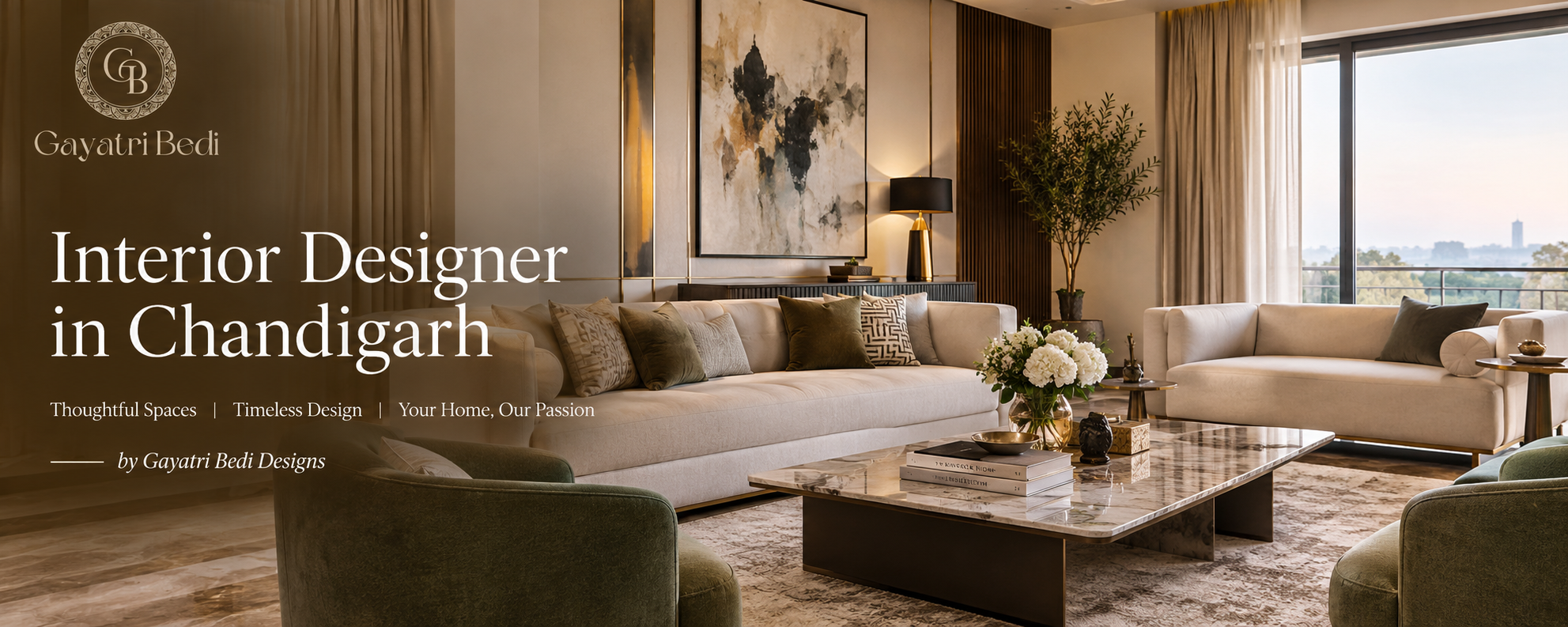
A beautiful home is more than an arrangement of furniture, colours, and decorative accessories. It is a carefully planned environment that reflects the personality of the people living in it while supporting their everyday needs. From the layout of the living room to the selection of materials, lighting, bespoke furniture, and artwork, every detail contributes to the overall experience of a space. This is why choosing the right interior designer in Chandigarh is an important decision for homeowners who want a home that feels elegant, comfortable, and truly personal.
Chandigarh is known for its planned urban layout, distinctive architectural character, and evolving residential lifestyle. Homeowners are increasingly looking for interiors that combine contemporary design with timeless sophistication. Some prefer understated modern spaces, while others appreciate classic detailing, luxurious materials, and statement furniture. Whatever the preference, the most successful interiors are those that balance visual appeal with practical living.
Gayatri Bedi Designs approaches interior design as a process of understanding people, spaces, and the details that bring them together. Through residential interiors, bespoke furniture, decorative elements, and thoughtful styling, the focus is on creating spaces that feel carefully composed rather than simply decorated. The aim is to develop interiors that express individuality while maintaining harmony, functionality, and lasting appeal.
Why Hiring an Interior Designer in Chandigarh Matters
Designing a home involves many interconnected decisions. Furniture must fit the available space, lighting should complement the materials, storage must support daily routines, and colours need to work together across different rooms. When these decisions are made independently, the finished home can feel disconnected, even when individual elements are attractive.
An experienced interior designer in Chandigarh helps bring these decisions into a coordinated plan. The process begins by understanding the property, the homeowner’s requirements, and the intended atmosphere of each room. This foundation makes it easier to determine which materials, furniture pieces, lighting arrangements, and decorative features will work best.
Professional interior design is also about recognising the potential of a space. A room with limited natural light may benefit from a lighter material palette and carefully positioned mirrors. An expansive living room may require furniture arrangements that create intimacy without interrupting movement. A bedroom might need a combination of ambient lighting, practical storage, comfortable upholstery, and a restrained colour scheme to feel relaxing.
These decisions are not simply decorative choices. They influence how people experience their homes every day.
Understanding the Homeowner’s Lifestyle
Every household has different needs, routines, and expectations. A family that frequently entertains guests may prioritise a welcoming living room and a well-planned dining area. Someone who works from home may require a quiet workspace that feels connected to the rest of the interior without becoming distracting.
Similarly, families with children may need durable materials and flexible furniture, while homeowners who appreciate art may want carefully planned display areas and appropriate lighting.
A thoughtful designer considers these requirements before developing the visual concept. This ensures that the finished interior reflects the homeowner rather than following a generic design formula.
Understanding Chandigarh’s Residential Design Preferences
Chandigarh and the surrounding Tricity region offer a diverse range of residential properties, including independent houses, contemporary villas, apartments, renovated family homes, and larger luxury residences. Each property presents different opportunities and challenges.
An independent house may offer the flexibility to redesign several rooms, introduce custom furniture, or improve the relationship between indoor and outdoor areas. An apartment may require more careful space planning, multifunctional furniture, and creative storage solutions. A villa may demand a consistent design language across multiple floors, formal entertaining areas, private bedrooms, and transitional spaces.
The right interior designer in Chandigarh understands that a successful design should respond to the property’s architecture rather than impose an unrelated style upon it.
Existing features can also become valuable design elements. Natural light, architectural openings, flooring, ceiling heights, and views can influence the direction of the project. Instead of automatically replacing everything, a designer can identify which elements should be retained, refined, or reinterpreted.
This approach creates a stronger relationship between the building and its interiors while helping homeowners make more considered design decisions.
The Importance of Space Planning
Space planning is one of the most important stages of interior design because it determines how comfortably a home functions. Before choosing furniture or decorative accessories, the designer needs to understand room dimensions, circulation, access points, storage requirements, and the activities that will take place in each area.
A living room, for example, should allow comfortable conversation and easy movement. The sofa, chairs, coffee table, side tables, and lighting should relate to one another in terms of scale and placement. Furniture that is too large can make the room feel crowded, while pieces that are too small may leave the space feeling incomplete.
Bedrooms require a different approach. The bed should be positioned to support comfortable movement, while wardrobes, bedside tables, dressing areas, and lighting need to be coordinated. The objective is to create a calm environment without sacrificing practical requirements.
Creating a Natural Flow Between Rooms
A home feels more cohesive when its rooms connect naturally. Flooring, wall colours, furniture finishes, and lighting can establish continuity, while selected differences give individual spaces their own identity.
For example, a living room may feature expressive artwork and sculptural furniture, while a bedroom uses softer textures and more subdued colours. Both rooms can still feel connected through shared wood tones, metal finishes, or a consistent approach to detailing.
Good space planning considers these relationships from the beginning. It helps ensure that the finished home feels balanced rather than like a collection of unrelated rooms.
Luxury Interior Design Is About Thoughtful Choices
Luxury interiors are often associated with marble, chandeliers, premium upholstery, statement furniture, and sophisticated finishes. These elements can contribute to a beautiful home, but luxury does not depend on expensive materials alone.
True sophistication comes from proportion, restraint, craftsmanship, and the way different elements work together. A simple room with excellent lighting, comfortable furniture, carefully selected materials, and thoughtful detailing can feel more refined than a space filled with decorative features.
An interior designer in Chandigarh can help homeowners identify where visual emphasis is needed and where simplicity creates a stronger effect. A striking dining table might become the focal point of a room, while the surrounding furniture and lighting remain understated. A textured wall may provide enough character without requiring additional decorative treatments.
This balance is particularly important in larger homes, where excessive detailing can make rooms feel visually heavy. Selective use of premium materials, well-proportioned furniture, and a consistent design language can create a more timeless result.
Bespoke Furniture: Designing Around Your Space
Furniture plays a central role in the identity of an interior. It affects comfort, functionality, proportions, and the overall appearance of a room. While ready-made furniture can be suitable for many homes, bespoke furniture offers greater flexibility when a space requires specific dimensions, finishes, or design details.
Gayatri Bedi Designs places importance on the relationship between furniture and the surrounding interior. Custom sofas, chairs, dining tables, consoles, beds, and storage units can be developed to suit the scale and requirements of individual spaces.
Why Custom Furniture Makes a Difference
A bespoke sofa can be designed to suit the room’s proportions, preferred seating depth, upholstery requirements, and visual character. A custom console can fit an entrance wall without obstructing movement. A dining table can be developed around the family’s seating requirements and the dimensions of the dining area.
Custom furniture also allows greater control over materials, finishes, textures, and detailing. This helps the furniture complement the flooring, wall treatments, curtains, and other design elements.
The objective is not to customise everything unnecessarily. Instead, bespoke furniture should be used where it offers a clear benefit in terms of fit, function, craftsmanship, or design continuity.
For homeowners seeking an interior designer in Chandigarh, this furniture-led approach can help transform an ordinary room into a space that feels more individual and complete.
Choosing the Right Materials and Colour Palette
Materials and colours establish much of a home’s atmosphere. Natural wood can introduce warmth, stone can create a sense of permanence, textured fabrics can soften a room, and metals can add definition to furniture and architectural details.
However, the success of a material palette depends on how its elements interact. A beautiful stone surface may not complement every wood finish, and a bold wall colour may compete with heavily patterned upholstery. Materials should therefore be evaluated as part of the complete design rather than selected individually.
Creating Balance Through Texture and Colour
Neutral palettes remain popular because they provide flexibility and can make interiors feel calm. Shades of cream, beige, warm white, taupe, and soft grey can create a sophisticated foundation. These colours can be complemented by timber, natural stone, textured fabrics, artwork, and carefully chosen accents.
For homeowners who prefer more expressive interiors, deeper colours can introduce personality. Greens, blues, terracotta tones, or richer browns may be used in furniture, artwork, upholstery, or selected wall treatments.
Texture is equally important. Combining smooth surfaces with tactile fabrics, natural materials, and subtle patterns gives a room depth without requiring excessive decoration.
A skilled designer tests how these choices appear in the actual space, taking natural light and artificial lighting into account before finalising the palette.
Lighting That Improves Both Mood and Function
Lighting can transform the appearance and usability of an interior. A well-designed lighting plan combines different sources to support specific activities while creating the desired atmosphere.
Ambient lighting provides general illumination, task lighting supports activities such as reading or working, and accent lighting highlights selected features such as artwork, shelving, architectural details, or decorative objects.
In a living room, layered lighting allows the space to shift from bright daytime use to a more relaxed evening setting. Bedrooms benefit from comfortable bedside lighting alongside general illumination. Dining areas can use carefully positioned pendant lights to create a focal point while maintaining adequate visibility.
Natural light should also influence the design. Window treatments, furniture placement, reflective surfaces, and colour choices can help make better use of daylight.
An interior designer in Chandigarh considers lighting alongside furniture layouts and material selection so that the entire scheme works together. Planning these elements early can also reduce the need for disruptive electrical changes later.
Personalised Interiors by Gayatri Bedi Designs
The identity of a home comes from more than its architectural style. It develops through the homeowner’s preferences, collections, memories, routines, and the details that make the space feel familiar.
This is where the design philosophy of gayatri bedi designs becomes relevant. A personalised interior considers how each room should look and feel while ensuring that its elements work together as part of the larger home.
Rather than treating every project as an opportunity to reproduce a particular trend, a thoughtful design process begins with understanding the client. Some homeowners prefer contemporary furniture and clean lines, while others are drawn to classical detailing, layered textures, art-led interiors, or a blend of modern and traditional influences.
The designer’s role is to translate these preferences into a considered concept. This includes establishing the overall material palette, selecting furniture styles, coordinating decorative elements, and deciding where the interior needs visual emphasis.
Bringing Artwork and Decorative Details into the Design
Artwork, mirrors, sculptural objects, decorative lighting, books, and carefully chosen accessories can add personality to a home. However, these elements work best when they have a clear relationship with the surrounding architecture and furniture.
A large artwork may provide a focal point in a living room, while a collection of smaller pieces can bring character to a corridor or private study. Decorative objects can introduce contrast to a console or bookshelf, while rugs and curtains help connect colours and textures across the room.
The important consideration is balance. Not every surface needs decoration, and not every room requires a dramatic feature. Sometimes an uncluttered wall or a simple furniture arrangement creates the strongest visual effect.
Through thoughtful styling, Gayatri Bedi Designs aims to create interiors that feel complete without appearing unnecessarily crowded.
Designing Different Areas of a Home
Each area of a residence has its own purpose, and the design should respond accordingly. A cohesive home does not require every room to look identical. It requires every room to contribute to a consistent overall experience.
Living Room Interior Design
The living room often establishes the character of the entire home. It may be used for entertaining guests, spending time with family, reading, or relaxing at the end of the day.
Furniture arrangement is particularly important. Seating should encourage conversation, provide sufficient comfort, and allow people to move around without obstruction. Rugs, coffee tables, side tables, and lighting should be selected in proportion to the available space.
Artwork, textured walls, statement furniture, and decorative lighting can add character, but these features should support rather than overwhelm the room.
Bedroom Interior Design
A bedroom should provide comfort, privacy, and a sense of calm. Its design begins with the bed position, circulation, storage, and lighting requirements before moving into decorative details.
Soft upholstery, carefully selected bedding, layered curtains, and warm lighting can create a relaxing atmosphere. Wardrobes and dressing areas should provide practical storage while maintaining the visual balance of the room.
Personalisation can be introduced through headboard designs, artwork, bedside furniture, and selected colours that reflect the homeowner’s taste.
Dining Room Interior Design
The dining area should combine hospitality with functionality. The table must accommodate the intended number of people, and sufficient space should be maintained around the chairs for comfortable movement.
Lighting can help define the dining area, particularly in open-plan homes. Pendant lights, carefully chosen furniture finishes, artwork, and coordinated accessories can make the space feel distinctive without making it overly formal.
Foyer and Entrance Design
The entrance creates the first impression of a home. A well-planned foyer may include a console, mirror, artwork, decorative lighting, or a practical storage solution, depending on the available space.
The key is to avoid overcrowding. The entrance should allow easy movement while establishing the design language that continues into the rest of the residence.
Renovation and Interior Design for Existing Homes
Not every interior project begins with a new property. Many homeowners in Chandigarh want to renovate an existing house, update an older apartment, or improve the functionality of rooms that no longer suit their needs.
Renovation requires a careful assessment of the existing structure, finishes, services, furniture, and storage. Before removing walls or replacing materials, it is useful to identify which elements can be retained and which require improvement.
A thoughtful renovation can involve updating the lighting, improving storage, introducing custom furniture, refreshing the colour palette, or reworking selected areas to improve circulation. Larger changes may require input from qualified professionals to assess structural, electrical, plumbing, and other technical considerations.
The most effective renovation is not necessarily the one that changes everything. It is the one that addresses the property’s limitations while making the home more comfortable and relevant to the people who live in it.
A clear design plan also helps homeowners coordinate purchases, material selections, and site work in a more organised manner.
How to Plan Your Interior Design Project
A successful interior project benefits from a structured process. The first step is to establish what the home needs to achieve. This includes understanding the household’s lifestyle, the rooms that require attention, the preferred design direction, and the practical limitations of the property.
The next stage involves developing a concept. Moodboards, layout drawings, material samples, furniture references, and visualisations can help communicate how the proposed interior will come together.
Once the direction is approved, attention moves to detailed design. Furniture dimensions, finishes, lighting, storage, fabrics, and other specifications are coordinated so that decisions can be made before implementation wherever possible.
Budget planning should take place alongside this work. Homeowners should understand which elements are essential, where customisation offers the greatest value, and which features can be adjusted if priorities change.
During execution, communication between the designer, contractors, suppliers, and client becomes important. Site conditions may require adjustments, and materials or furniture may need to be checked before installation. Clear coordination helps protect the original design intent.
Finally, the styling stage brings together the furniture, lighting, artwork, textiles, and accessories. These final decisions often determine whether the home feels coherent and ready to use.
How to Choose the Best Interior Designer in Chandigarh for Your Home
Choosing a designer requires more than comparing attractive photographs or selecting a particular design style. Homeowners should evaluate how a designer approaches planning, communicates ideas, understands practical requirements, and manages the transition from concept to finished space.
Review the designer’s portfolio to understand the range of projects, the quality of detailing, and the consistency of the work. Look for examples that reflect your property’s scale and your own priorities, while remaining open to ideas that may improve your original vision.
Discuss the scope of services before beginning. Clarify whether the project includes design consultation, space planning, furniture design, material selection, styling, site coordination, or execution management. These services can vary between studios, so written clarity is valuable.
Budget transparency is equally important. Ask how design fees are structured, how purchases and third-party costs are handled, and what happens if the scope changes. Timelines, approvals, and responsibilities should also be discussed at the beginning.
Most importantly, choose someone who listens carefully and can explain the reasoning behind design decisions. A good working relationship allows the homeowner to participate meaningfully while benefiting from professional guidance.
For clients considering gayatri bedi designs, the emphasis on personalised interiors, furniture, material selection, and styling offers a starting point for exploring a design approach built around the individual home.
Common Interior Design Mistakes to Avoid
Even with a clear vision, certain decisions can affect the final outcome if they are not considered early enough. One common mistake is purchasing furniture before finalising the layout. A piece may look attractive in a showroom but prove too large for the intended room or interfere with movement.
Another mistake is selecting materials individually without considering the complete palette. Flooring, wall finishes, cabinetry, upholstery, and lighting should be evaluated together to avoid visual conflicts.
Ignoring storage can also reduce the usability of a beautiful home. Thoughtful storage solutions help maintain clean surfaces and prevent everyday belongings from creating clutter.
Lighting is frequently left until late in the process, even though it influences how colours, textures, furniture, and artwork appear. Planning lighting alongside the layout produces a more consistent result.
Finally, following every new trend can make an interior feel dated quickly. It is usually more effective to establish a timeless foundation and introduce current trends through smaller, replaceable elements.
Creating Interiors That Remain Beautiful Over Time
A well-designed home should continue to feel comfortable and relevant as the needs of its residents evolve. Timeless design does not mean avoiding contemporary ideas. It means using them thoughtfully and ensuring that the essential elements of the interior are not dependent on a short-lived trend.
Quality furniture, durable materials, comfortable layouts, effective lighting, and practical storage create a foundation that can adapt over time. Artwork, cushions, decorative accessories, and selected colours can then be updated without requiring a complete redesign.
Maintenance should also influence material choices. Surfaces used frequently need to suit the household’s lifestyle, while fabrics and finishes should be selected with their care requirements in mind. A beautiful material that is difficult to maintain may not be the right choice for every home.
The goal is to create an interior that performs well in everyday life while retaining its visual character. This balance between aesthetics and usability is what gives thoughtful interior design its lasting value.
Conclusion: Finding the Right Interior Designer in Chandigarh
Choosing the right interior designer in Chandigarh is an opportunity to create a home that reflects your personality, supports your lifestyle, and makes better use of the available space. The process involves much more than selecting furniture and finishes. It requires thoughtful planning, an understanding of materials, carefully designed lighting, appropriate storage, and attention to the details that connect every room.
From contemporary apartments to expansive villas and renovated family homes, each property deserves a design approach that responds to its architecture and the people who live in it. Personalised furniture, balanced colour palettes, meaningful artwork, and carefully considered styling can transform an ordinary interior into a space that feels distinctive and complete.
Gayatri Bedi Designs brings together interior design, bespoke furniture, and decorative styling to develop spaces with individuality and purpose. By focusing on the relationship between aesthetics, functionality, and personal expression, the studio’s approach offers homeowners a way to create interiors that feel considered rather than formula-driven.
If you are planning a new home or considering a renovation, begin by understanding your requirements and establishing a clear design direction. With the right planning and professional guidance, your home can become a thoughtful reflection of the way you want to live.
Frequently Asked Questions
1. How do I choose an interior designer in Chandigarh?
Start by reviewing the designer’s portfolio, design approach, range of services, and experience with projects similar to yours. Discuss your requirements, budget, preferred style, and expected timeline before making a decision. Clear communication and a well-defined design process are important for a successful project.
2. What services can an interior designer provide?
Interior design services may include space planning, furniture layouts, material and colour selection, lighting design, bespoke furniture, storage planning, decorative styling, and execution coordination. The exact scope depends on the designer and the agreement for the project.
3. Why is bespoke furniture useful for residential interiors?
Bespoke furniture is designed around the dimensions and requirements of a particular space. It can improve furniture proportions, comfort, storage, material coordination, and visual consistency. It is especially useful when standard furniture does not meet the room’s functional or aesthetic needs.
4. Does Gayatri Bedi Designs work on personalised interiors?
Gayatri Bedi Designs focuses on residential interiors, bespoke furniture, material curation, and styling. The approach considers the homeowner’s preferences, the property’s character, and the relationship between functional requirements and visual design.
5. When should I hire an interior designer for a new home?
It is generally beneficial to involve an interior designer early, ideally before finalising major furniture, electrical, lighting, and finishing decisions. Early planning allows these elements to be coordinated and can help reduce avoidable changes during execution.
6. Can an interior designer help renovate an existing home?
Yes. An interior designer can assess the existing space, identify opportunities for improvement, plan furniture and storage, coordinate finishes, and develop a cohesive design direction. Structural or technical modifications may require appropriately qualified professionals.
